

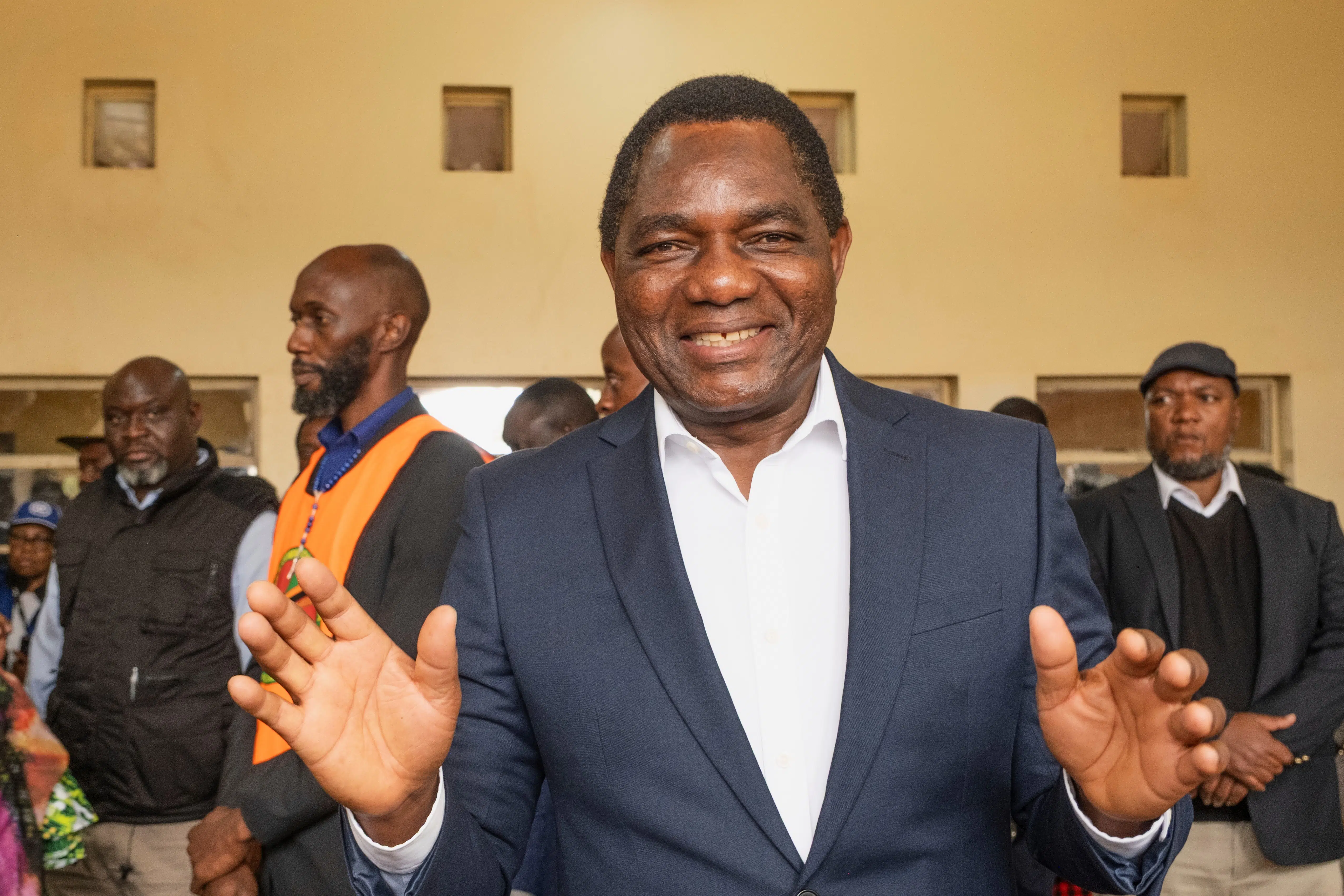
LUSAKA – Vote counting got underway Thursday evening in Zambia after polls closed in a closely watched presidential election that tests whether President Hakainde Hichilema’s economic reforms were enough to overcome widespread frustration over the cost of living.
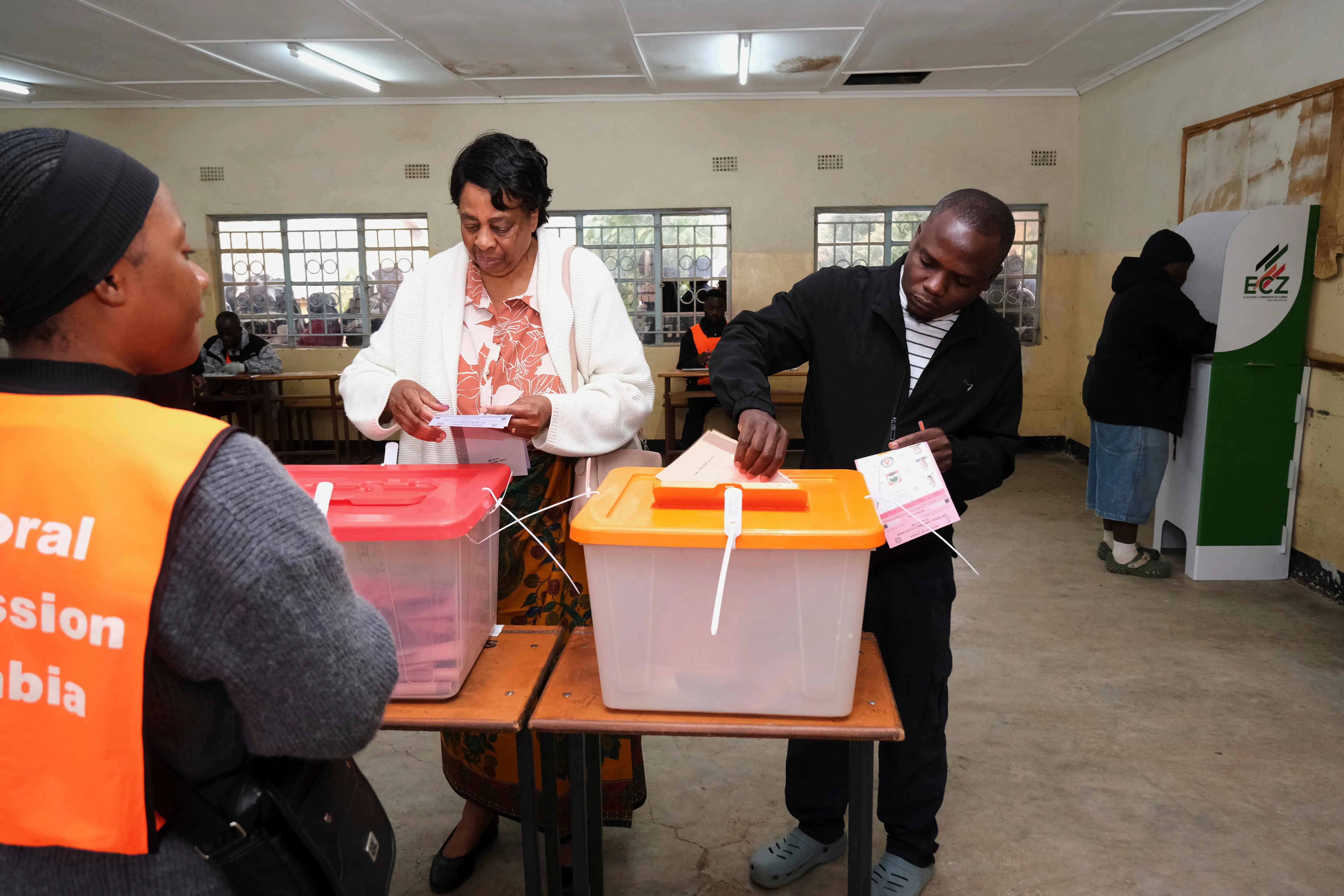
About 8 million people in the southern African country of 22 million were registered to vote at more than 13,500 polling stations in the one-day election. Voters were also choosing members of Parliament and local government councilors. The Electoral Commission of Zambia said results were expected Monday.
Recommended Videos
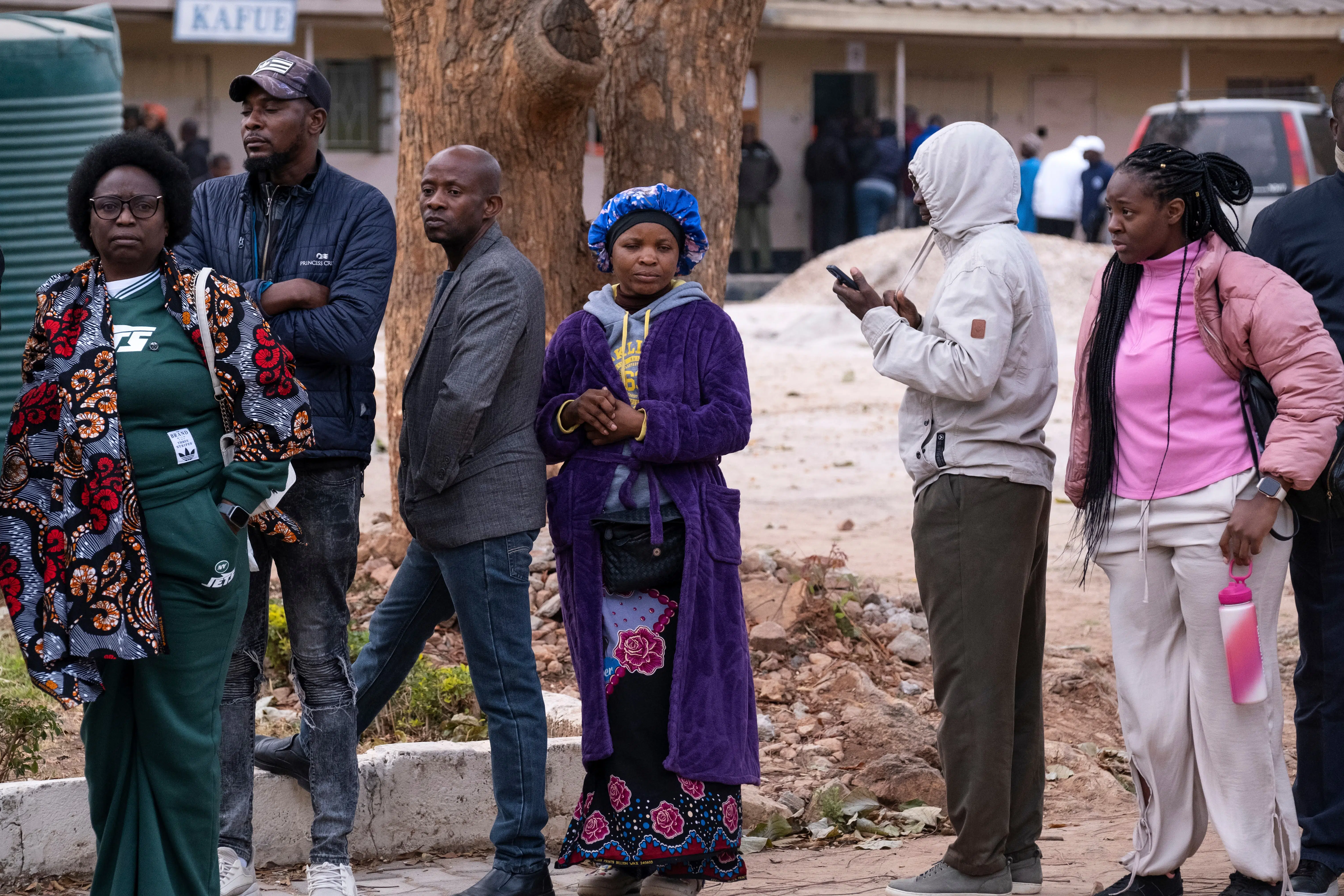
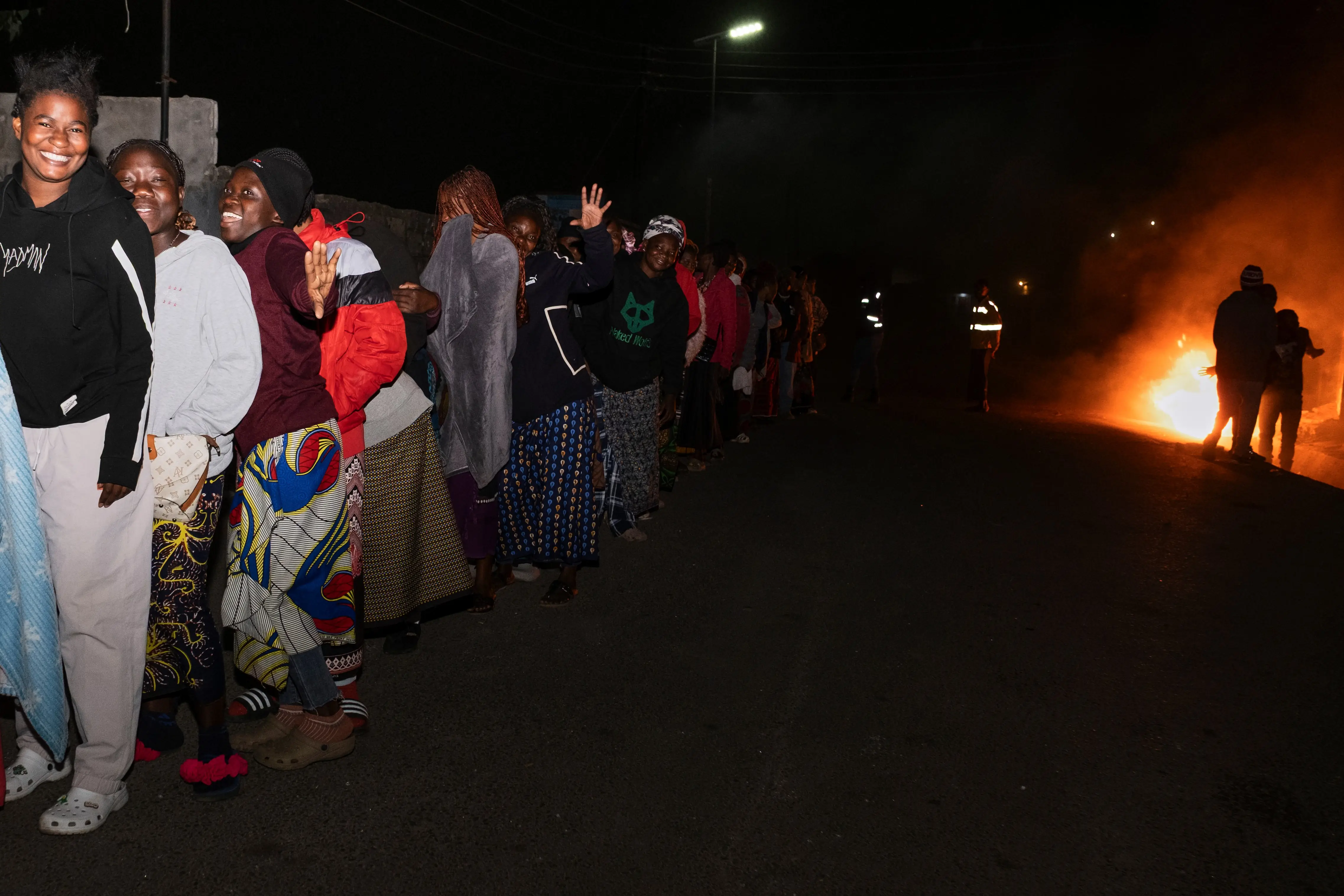
Voters bundled in thick jackets had queued in long lines before dawn outside polling stations across Lusaka, some huddling around makeshift fires as election officials prepared for voting.
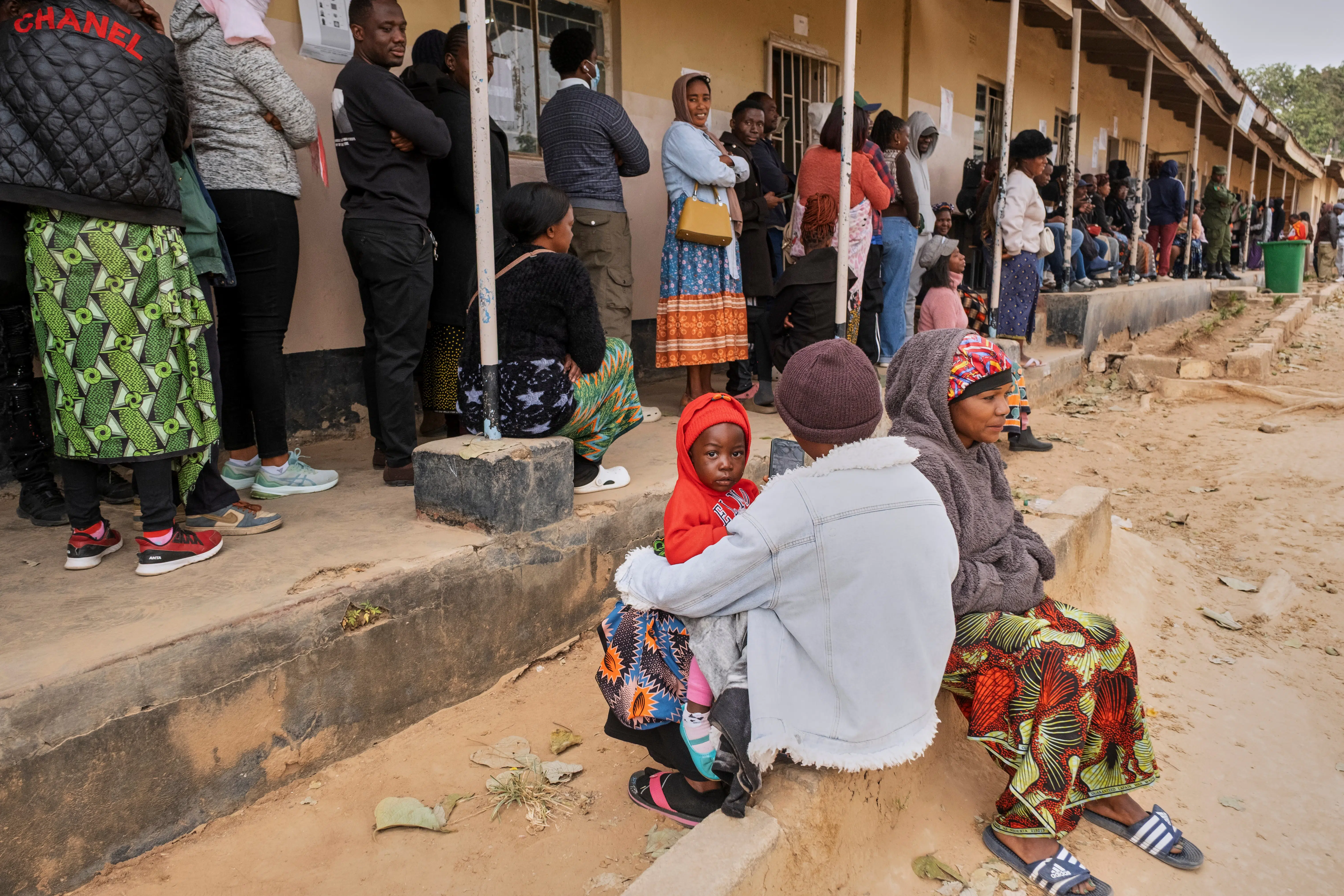
European Union observers monitored voting at one polling station in Lusaka. Separately, a local election observer said poor voter direction, confusion over voter rolls and crowd management issues caused delays and frustration at some polling stations.
Mathias Ngoma, in his 70s, said he has voted in every election he could because “it’s the only voice I have.”
“I braved the cold to choose leaders I am hoping will make things better in our constituency,” he said.
Competing visions for Zambia’s future
The election is widely seen as a referendum on Hichilema' s handling of the economy. Elected in 2021, he is seeking a second term after restructuring Zambia’s massive foreign debt, stabilizing the economy and attracting investment.
Hichilema, one of 14 candidates, cast his ballot shortly after midday in Lusaka’s Kabulonga suburb. He described the election as a choice between continuing his government’s reforms or reversing course.
“This election is really about the people of Zambia and their future — progress as opposed to regression,” he told reporters.
Brian Mundubile, considered by analysts to be the strongest opposition candidate, cast his vote in the Olympia area. He assured Zambians that their “second independence” was imminent and encouraged them to cast their ballots peacefully.
Mundubile, who leads an alliance of opposition parties, has campaigned on promises to lower the cost of living, improve agriculture and restore democratic freedoms while accusing Hichilema’s government of undermining democratic institutions.
“This is a revolution,” he said after voting. “The will of the Zambian people will certainly prevail in this election.”
Many still struggle despite recent economic growth
Many Zambians say they don’t feel the benefits of recent economic growth as unemployment, food prices and an unstable electricity supply continue to strain household budgets.
Meki Mulota, 40, an entrepreneur, said she wanted better conditions for entrepreneurs.
“The cost of living has been high,” she said. “I want to see a government that will create an environment where entrepreneurs can sustain their businesses.”
Christopher Banda said he backed Hichilema because he believed the country was on the right track.
“I’m voting for stability,” he said. “There’s been a high cost of living ... but I think we’re heading in the right trajectory.”
A presidential candidate must win more than 50% of the vote to avoid a runoff.
Zambian copper production draws international interest
The election is being closely watched abroad because Zambia is a major producer of copper and is seeking to sharply increase production of the metal, which is critical to electric vehicles, renewable energy and power grids.
China is Zambia’s largest foreign investor and has extensive mining interests in the country, while the United States has sought a greater role as Washington seeks to diversify its critical-mineral suppliers and reduce its reliance on China.
Hichilema has courted investment from both China and Western partners, including the U.S., as he seeks to increase annual copper production to 3 million metric tons by 2031.
Security concerns shadow the vote
Security and political tensions rose in the final days of the campaign. Police deployed additional officers and warned against violence, disruptions at polling stations, and the circulation of false results.
Opposition parties and rights groups, including Amnesty International, accused Hichilema’s government of shrinking democratic space and using state institutions to target critics and political rivals, allegations the government rejects.
Hichilema spent four months in jail on treason charges as an opposition leader under former President Edgar Lungu, whom he defeated in 2021.
Lungu remained an influential political figure until his death in South Africa last year. A prolonged dispute between his family and the government over his funeral and burial added to tensions ahead of the election.
Zambia is regarded as one of southern Africa’s more stable democracies, with a history of peaceful transfers of power. Hichilema’s 2021 victory marked the country’s third transfer of power to an opposition candidate since multiparty democracy returned in 1991.
___
AP Africa news: https://apnews.com/hub/africa